
KEY MINISTRY RESOURCES FOR CPC ATTENDEES



Beth Golik
Key Ministry
Director of Ministry & Training
Many churches want to support kids with sensory needs but feel limited by space, staffing, or budget. This session helps ministry leaders understand common sensory processing challenges and introduces the “three A’s” framework—Attitudes, Architecture, and Accessories—for creating sensory-friendly environments anywhere in your building. Participants will leave with practical, low-cost ideas, simple safety strategies, and tools they can implement immediately to support regulation, inclusion, and spiritual engagement for all children.
Inclusion doesn’t start with a program—it starts with prepared volunteers who understand how kids learn, behave, and communicate differently. This session equips children’s ministry leaders to train volunteers to support kids with hidden disabilities such as autism, ADHD, anxiety, and sensory processing differences. Attendees will gain practical classroom strategies, behavior-support tools, and discipleship approaches that help every child belong, engage, and grow spiritually within the life of the church.

Steve Grcevich, MD
Key Ministry
Founder & President
Kids with ADHD often want to grow spiritually but face unique challenges that can make traditional church environments difficult to navigate. This session explores how executive functioning differences impact attention, self-regulation, and participation in worship, discipleship, and church life. Church leaders and parents will gain practical, realistic strategies for creating structured, engaging environments where kids with ADHD can thrive spiritually—and where their God-given strengths are recognized and nurtured.

When a child experiences a mental health crisis, families often feel isolated, overwhelmed, and unsure where to turn—including in the church. This session helps church leaders distinguish between mental health crises and emergencies and respond wisely, compassionately, and legally. Participants will learn practical protocols, confidentiality boundaries, and tangible ways churches can provide care, connect families to appropriate professional help, and walk alongside them long after the initial crisis has passed.
Recommend Resources


IS YOUR CHURCH A WELCOMING ONE? HELP FAMILIES FIND YOU!
Books We Recommend
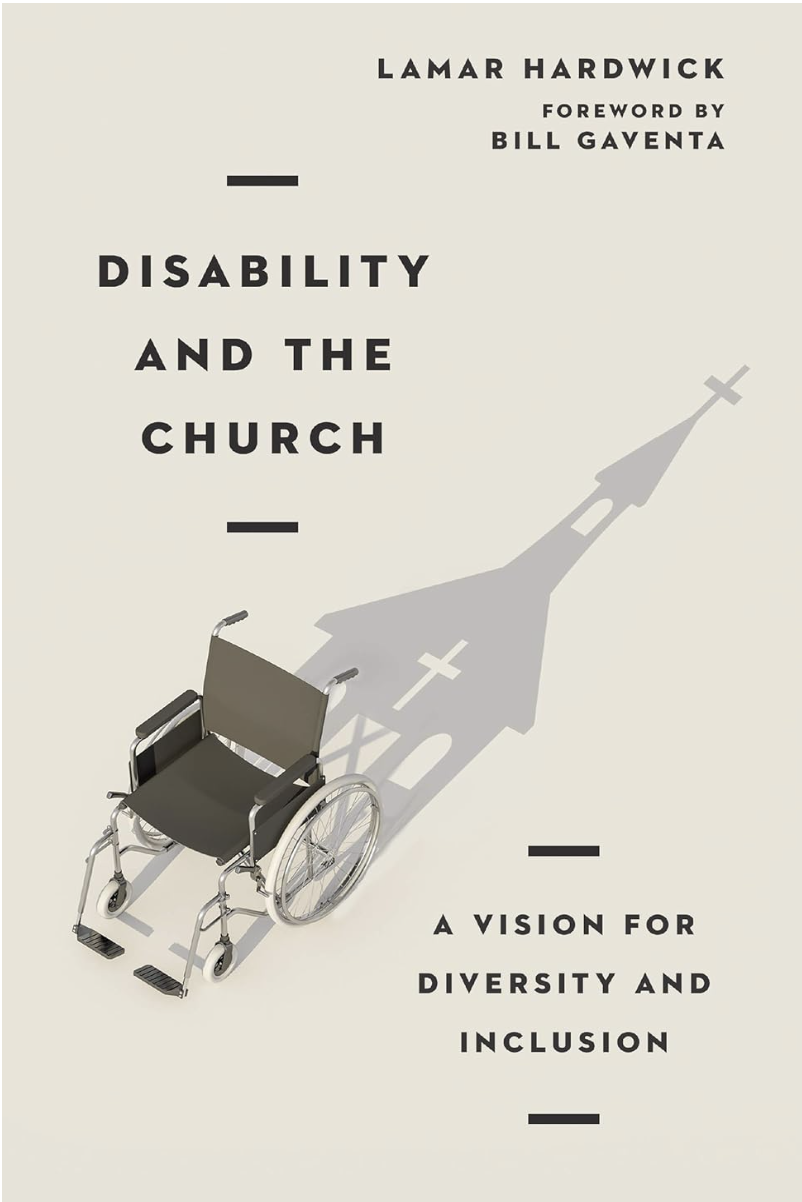
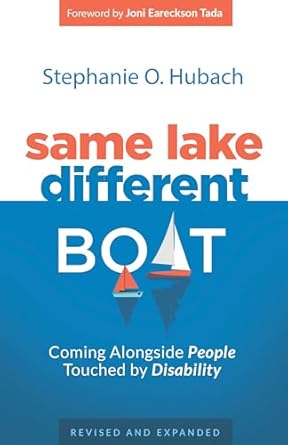
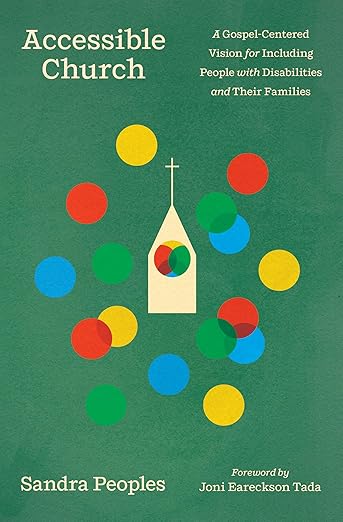

Disability Ministry Tools

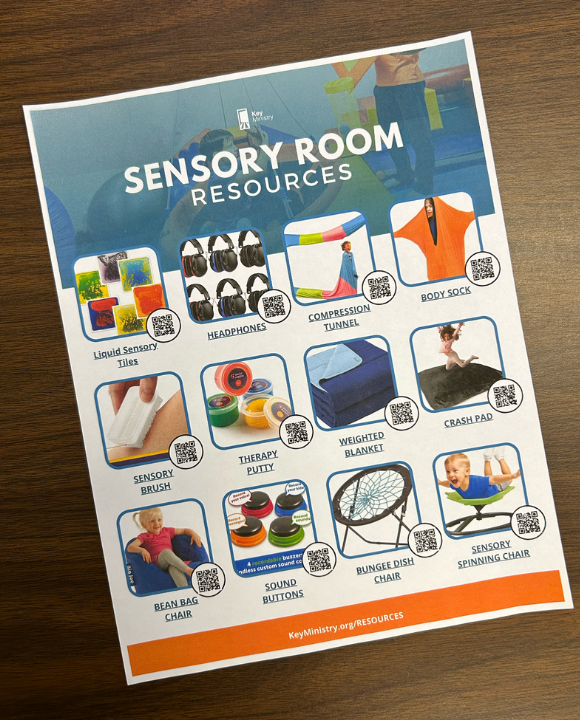
Liquid Sensory Floor Tiles
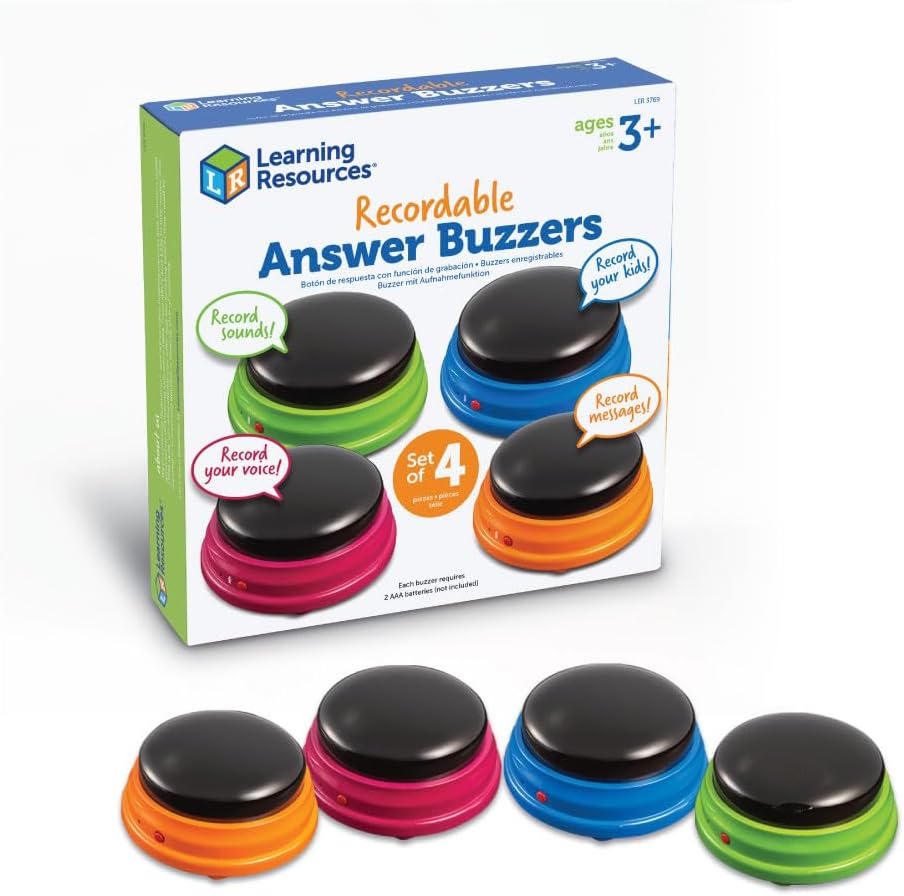
Recordable Answer Buzzers
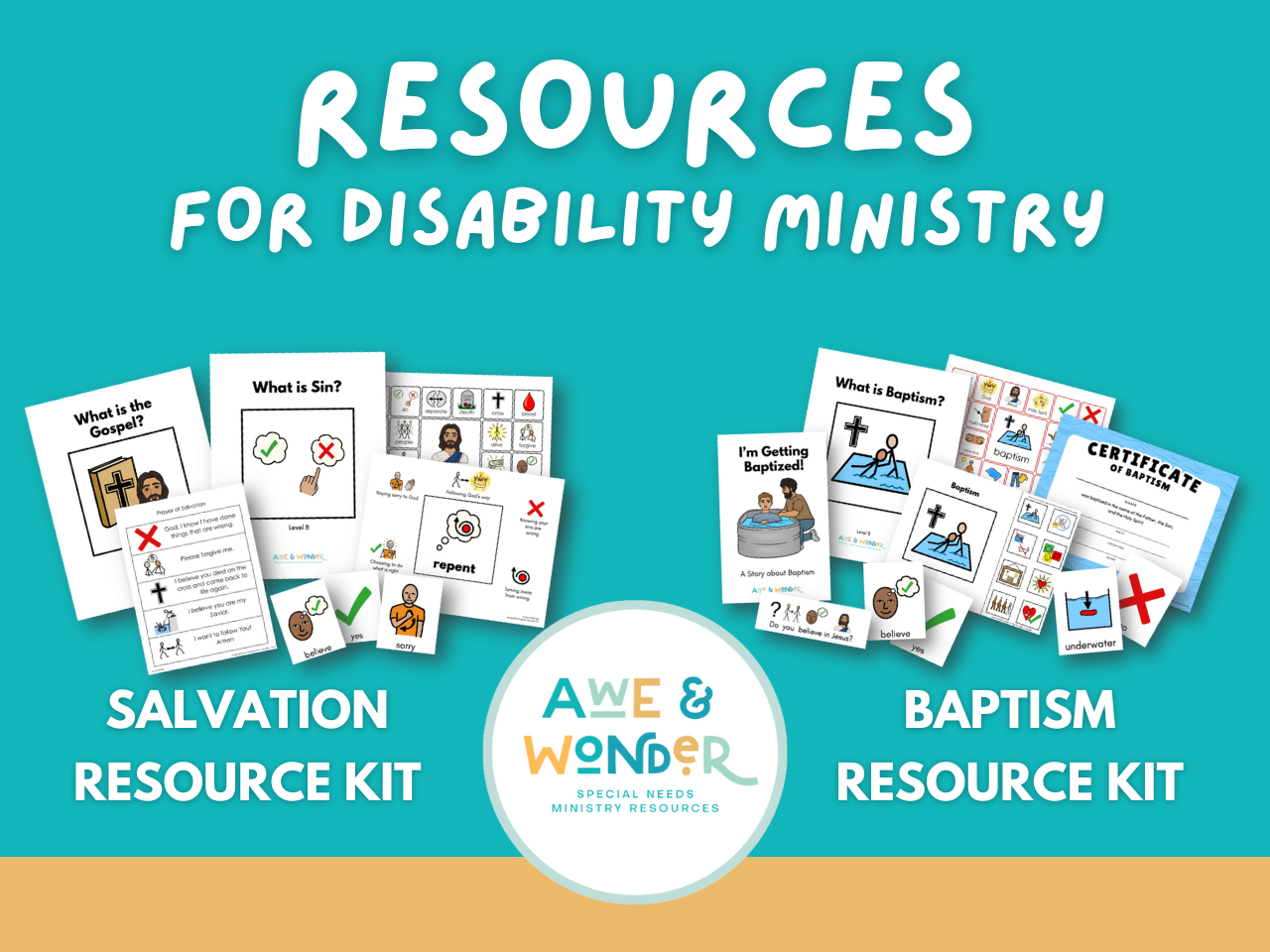
Awe & Wonder
(adaptive books)