Why This Is Happening More Often Than You Think
Sandra and David describe several common situations churches are encountering:
- Grandparents raising a grandchild due to loss, family hardship, or long-term caregiving needs.
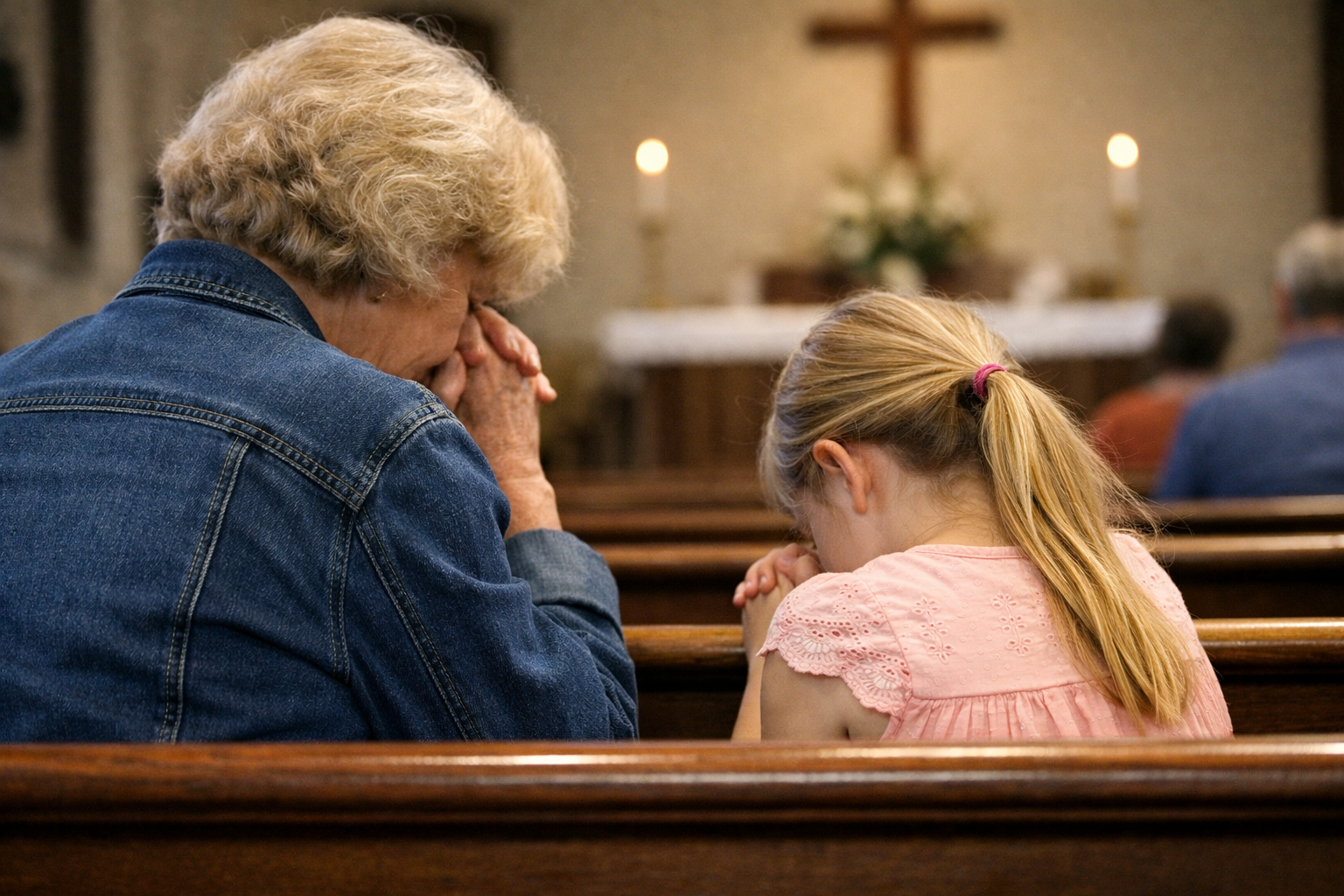
- Grandparents bringing grandkids to church when parents aren’t attending but are willing to let the kids go.
- Grandparents helping consistently because families are stretched thin, schedules are intense, or support systems are limited.
Quote: “If I’ve got one legacy to leave—and I’ve got limited time to do it—I want church to be part of their legacy.”
The Communication Challenge: Grandparents Don’t Always Know the Details
One of the most practical insights David shares is this: sometimes grandparents
don’t know the full diagnosis, support plans, or what’s happening at school—and it can feel awkward for church leaders who are trying to provide appropriate care.
So what do you do?
- Start with what they do know.
- Ask about triggers and dislikes—but don’t stop there.
- Ask what the child loves (because that’s often the key to connection and regulation).
Quote: “If I know what lights up a child, that’s worth ten times more than knowing the trigger.”
David also shares a thoughtful next step: ask permission to contact the parents directly when needed—while honoring the relational dynamics grandparents may be navigating.
One of the Biggest Barriers: Fear of “Labeling”
David names something many churches see but don’t always know how to address: older generations may still carry a stigma around disability. For some grandparents, being invited into a sensory room or disability ministry space can feel like a negative label—or even a form of discipline.
Quote: “We’re not a school. We’re not diagnosing. We’re creating a space where they can learn about Jesus in the best way for them.”
Sandra shares a real example where a grandparent assumed a child was “in trouble” if they were moved to a quieter environment. The reframe mattered:
Quote: “This isn’t a discipline issue. It’s a discipleship issue.”
That shift—punishment to discipleship—can change how grandparents view support spaces and how willing they are to partner with your team.
The Hidden Weight: Grief, Fatigue, and the Pressure of Limited Time
This episode also touches on the emotional reality many grandparents carry, especially those raising grandkids or navigating disability in the family system.
David shares how aging changes perspective: fewer sunrises ahead than behind. That often creates urgency—not just to help, but to ensure spiritual grounding.
Quote: “As a grandparent, it feels more pressing… because I don’t have the same amount of time with my grandkids.”
There’s also grief—sometimes obvious, sometimes unspoken—over what grandparents thought this season would look like: being the “fun” grandparent, watching milestones unfold, celebrating weddings, independence, and grandchildren of their own.
What Churches Can Do: Simple, Practical Support That Matters
Sandra closes by asking a direct question:
What can churches do to support grandparents well? David’s response is practical and immediately implementable:
1) Don’t overlook the grandparent
Churches often default communication to parents. But if the grandparent is the one bringing the child, they need to be seen, included, and kept in the loop.
2) Invite them into everything you offer families
Respite nights. Family events. Connection opportunities. If grandparents are investing the time to bring a grandchild, make sure they’re personally invited and welcomed.
3) Listen first
One of the best ways to serve is simply to make yourself available. Ask what they need. Learn what they carry. Give them space to be heard.
Quote: “The most important thing you can do for grandparents is be there to listen.”
4) Include them in spiritual development conversations
Ask:
What is your hope for your grandchild’s spiritual growth? Then help them think through next steps—whether that’s learning, belonging, serving, or having conversations about baptism and discipleship.
A Strong Closing Reminder for Ministry Leaders
This episode is a needed reminder: disability ministry is not a drop-off service. It’s not “friend care.” It’s discipleship—helping kids and families encounter Jesus and belong to His Church.
If your ministry is seeing more grandparents bringing grandkids to church, you’re not alone. And with a little clarity, patience, and intentional communication, your church can become a place where grandparents feel supported—and where kids can thrive in the love of Jesus.
Listen to Episode 179: When Grandparents Bring the Kids (Key Ministry the Podcast)
Quick Takeaways (for ministry teams)
- Start with what grandparents do know, and build from there.
- Lead with curiosity, not assumptions.
- Reframe support spaces: not punishment—discipleship.
- Invite grandparents into your family supports, not just the child’s care plan.
- Ask about spiritual goals and help families take next steps toward discipleship.